Neurohaptics
Neurohaptics studies how the human brain perceives, processes, and represents mediated touch. Using EEG and machine learning, we investigate the neural signatures of haptic experiences, from basic sensations such as vibration, temperature, and texture to more complex cognitive processes such as haptic delay, urgency, attention, and haptic illusion. This research area aims to build a neuroscience foundation for designing haptic technologies that feel intuitive, natural and meaningful to the brain.
Projects
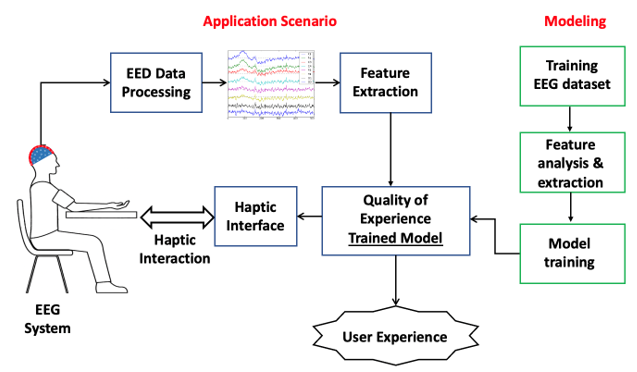
Haptic-enabled Brain-Machine Interaction
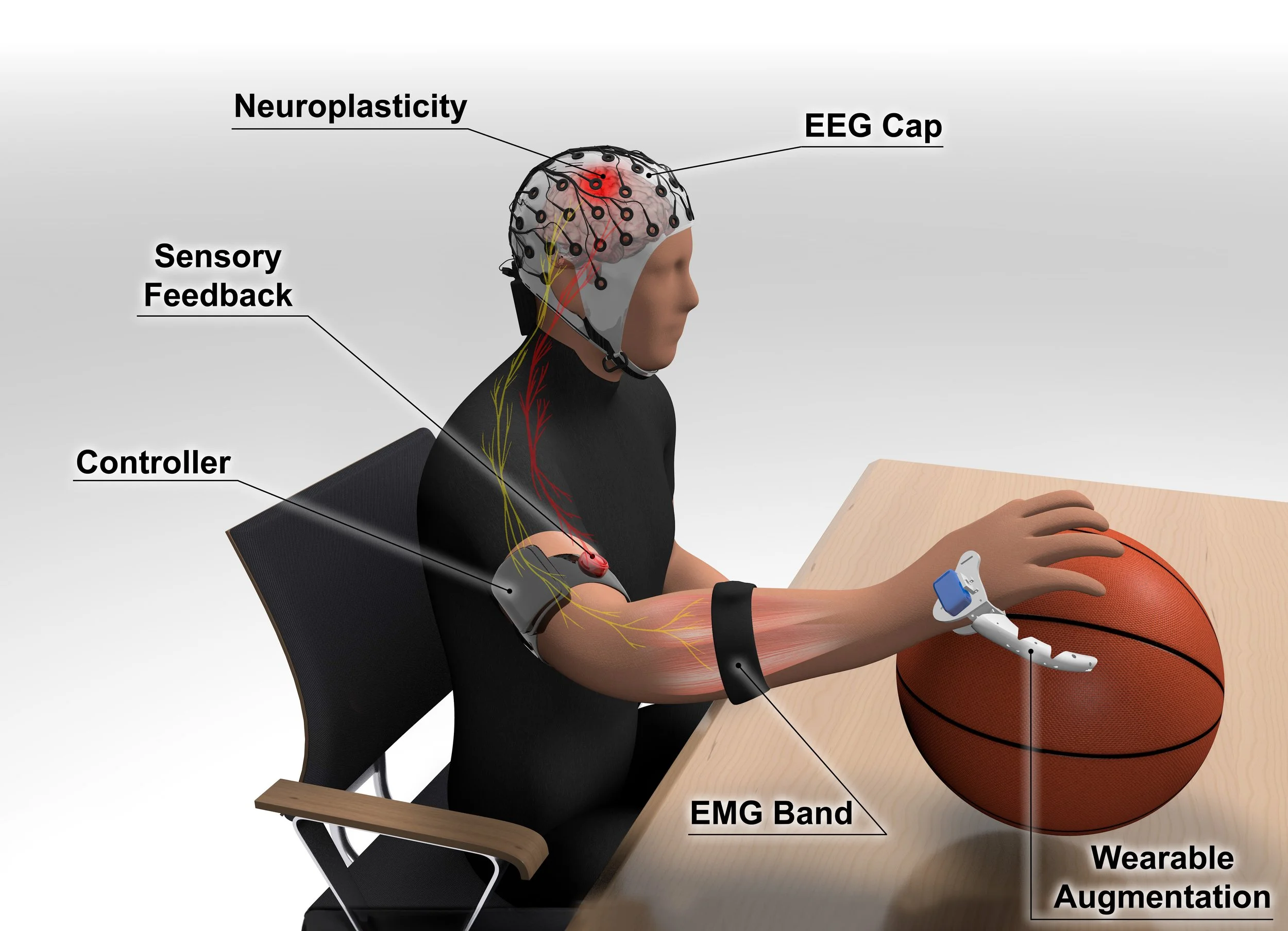
This area explores how haptic feedback improves brain control of machines: it strengthens the brain responses that drive control and closes the loop, allowing people to feel the devices they operate and embody them as natural extensions of their own bodies. Most brain-computer interfaces rely on vision alone, yet touch is essential for how we sense and control our own bodies. We develop EEG-based interfaces, particularly those based on motor imagery, in which haptic feedback helps users train more effectively and experience wearable robotic devices as part of their body.
Projects
Cognitive Haptics
Cognitive Haptics explores how touch can support the mind: how people learn, focus, perform, and maintain mental wellbeing. We design haptic feedback that guides learners through sensorimotor skills, reduces mental workload, sustains attention, and promotes a calm and healthy state of mind. This research informs the engineering of haptic training simulators for sensorimotor skill development, in applications ranging from handwriting to medical and dental training, as well as wearable devices that support mental health in everyday settings, from classrooms to clinics.
Projects
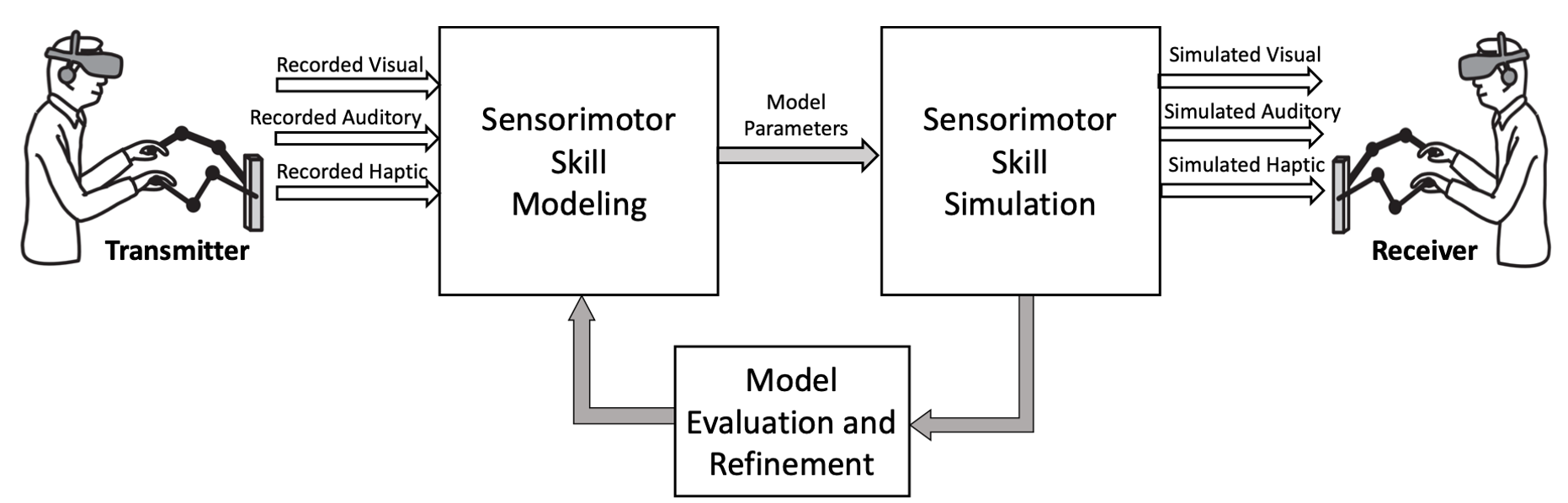
Sensorimotor Skill Communication
To accomplish a physical task such as walking, swimming or handwriting, the human sensorimotor system collects the information about our bodies and the physical environment…
Explore project →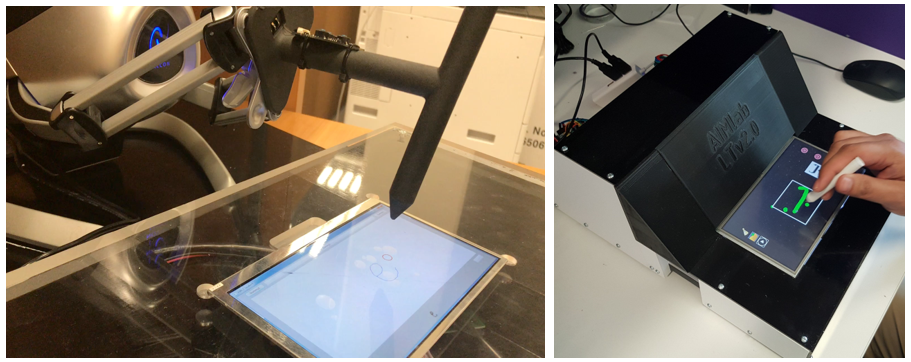
KATIB
The KATIB (writer in Arabis) is a handwriting assisting platform that provides contactless kinesthetic feedback by utilizing magnetic force, in addition to audio visual…
Explore project →
Haptodont Dental Simulator
The Haptics based virtual reality periodontal training simulation project focuses upon the research, development, and evaluation of a simulator for training of periodontal…
Explore project →Affective Haptics
Affective Haptics investigates touch as a channel for emotion and social interaction. Touch plays a central role in how we express affection, empathy, and intention, and we explore how haptic technologies can convey and evoke emotional and social experiences in digital and virtual environments. This work informs the engineering of emotionally expressive haptic systems for social telepresence, immersive media and gaming, and the Tactile Internet, where touch can make remote interactions feel more human.
Projects
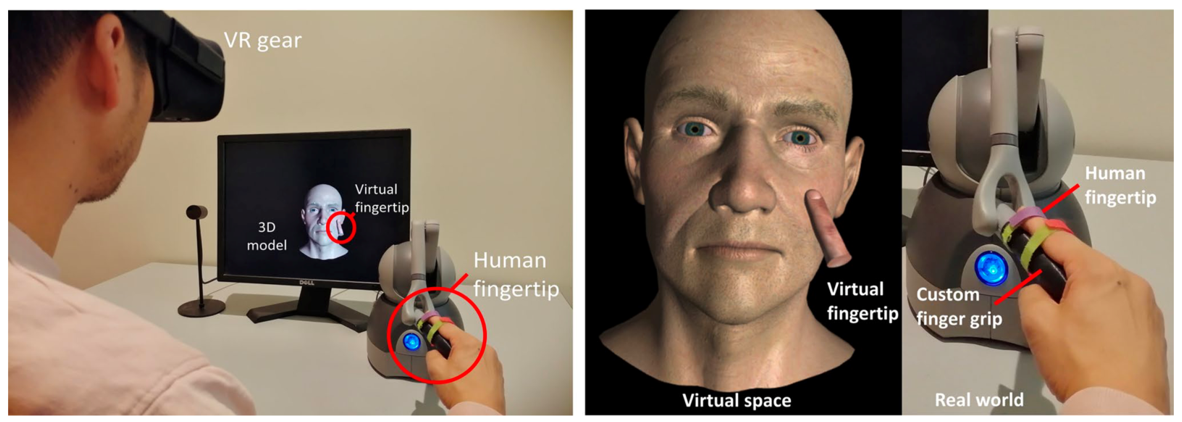
Across all four areas, the lab develops novel haptic interfaces, including wearable, soft, origami-inspired, and mid-air haptic interfaces.
Miscellaneous
Soft Haptics
Soft Haptics, just as with Soft Robotics, defies the preconception that devices are hard and electromechanical. Owing to recent advances in materials science, we now have the…
Explore project →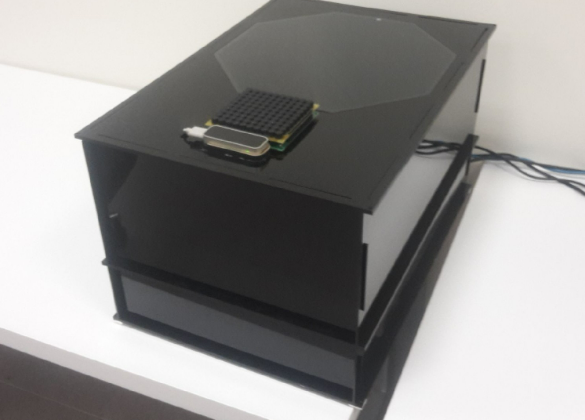
Haptogram
The Haptogram is a system that provides mid air 3D tactile feedback via focused ultrasound without physical contact with the human skin. The tactile sensations are displayed…
Explore project →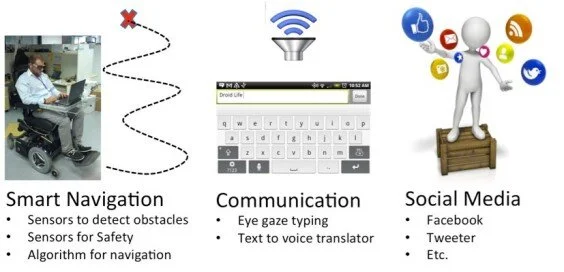
Projects for Social Impact
Motor disabilities of people resulted due to diseases like the Amyotrophic Lateral Sclerosis (ALS) have a dramatic effect on their quality of living. For years, the severely…
Explore project →